
Closed-cell foam insulation in Torrance CA - an attic that's part of the house
Upstairs too hot and the ducts running through a baking attic? We foam the underside of the roof so they sit inside the house.
- Licensed and insured.
- Free quotes on site.
- Expect a reply within 1 business day.
Is closed-cell foam the right fix for your Torrance attic?
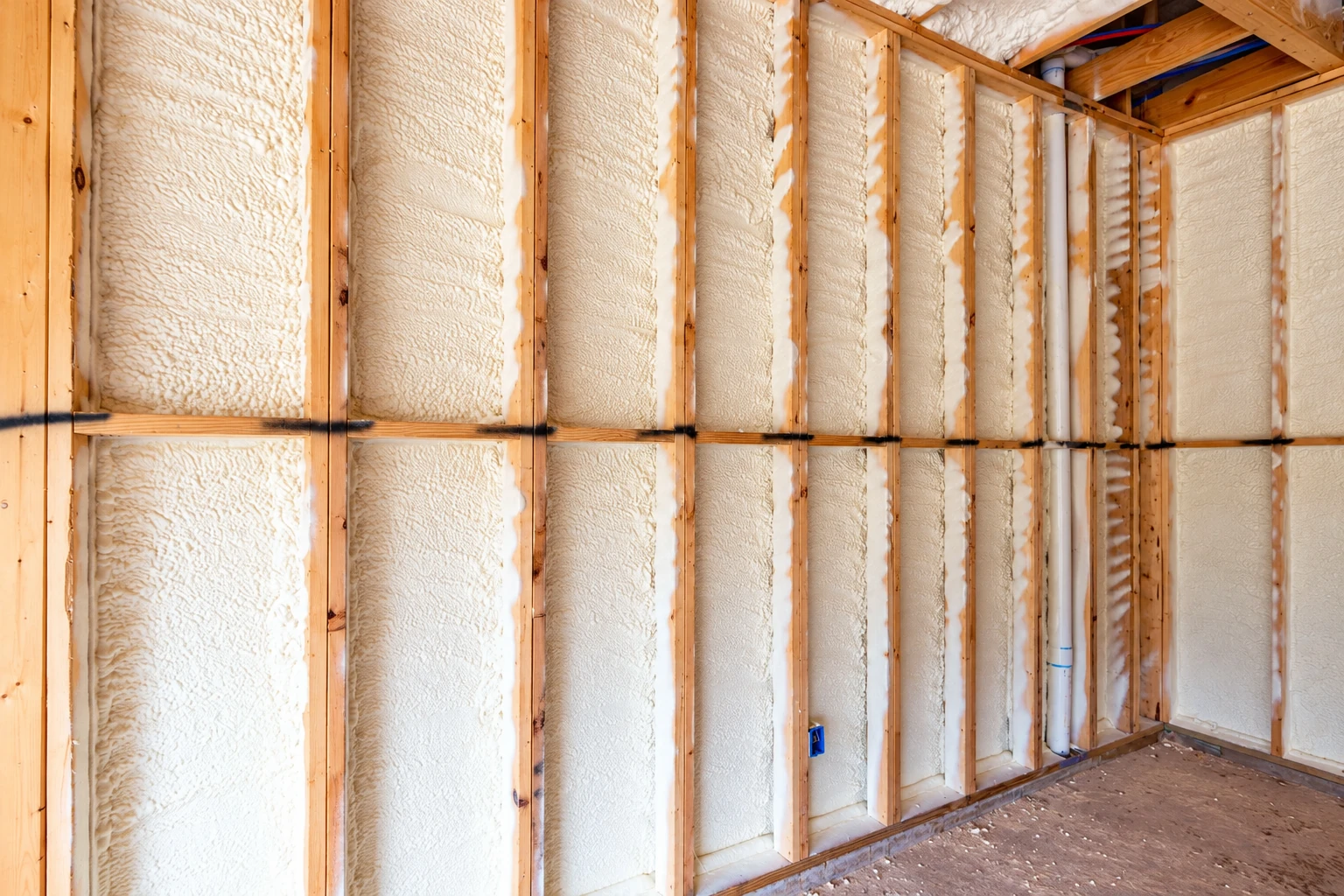
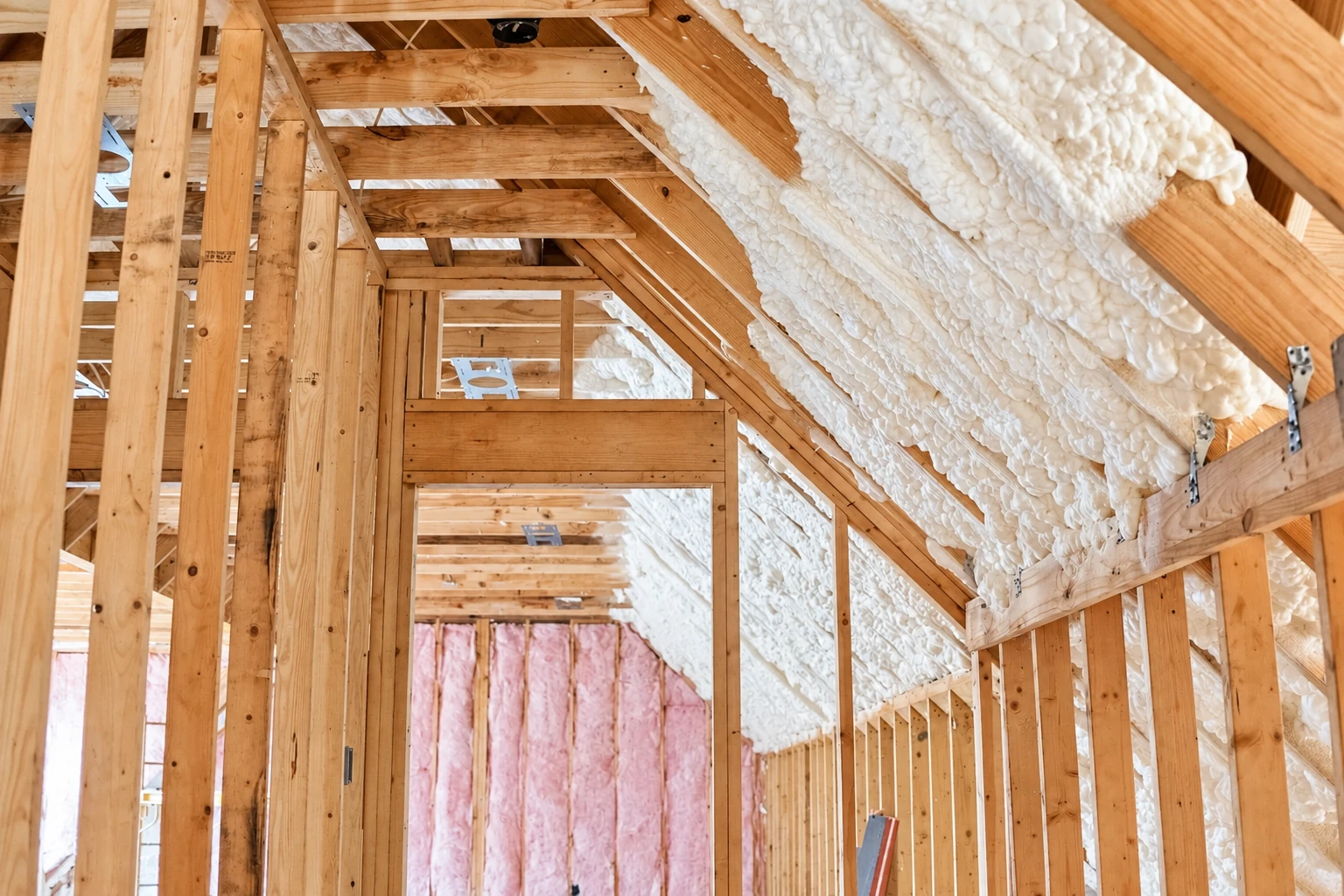
Closed-cell foam insulation is a dense spray foam that blocks moisture. We spray it onto the underside of the roof deck on homes in Torrance and the cities around it, so the attic becomes a sealed part of the house and your ducts stop sitting in the heat.
Most calls about foam start with a hot upstairs or a power bill that climbs all summer. The first thing I want to know is whether the ducts and the furnace live in the attic, because that mostly decides whether foam is worth it. The price turns on how much roof deck there is to cover, how thick the foam goes, how easy the attic is to move around in and whether the old stuff up there needs insulation removal first. The schedule depends on the roof, which has to be sound before we spray, and on when you can line up somewhere else to stay. You'll see how all of that works out for your house on the estimate.
How do you know your attic might need closed-cell foam?
Upstairs never cools down
The AC runs all afternoon and the bedrooms still feel stuffy. When the ducts run through an attic that bakes all day, the air warms up on its way to you, and the longer that goes on, the harder the system works and the higher the bill gets.
Furnace and ducts overhead
You pop the hatch and the furnace and ducts are lying in old, flattened insulation. That's the setup where foam at the roof makes the most sense, and it's worth a look before you spend money on new equipment that has to work in the same oven.
Damp or musty attic
Dark stains on the wood, a musty smell or insulation that feels wet usually mean a roof leak or trapped moisture. Your attic won't tell you it's leaking, but your ceiling eventually will, so we deal with the leak before any insulation goes up.
Other foam and building work
Open-cell foam insulation
A softer foam that expands more, so it suits odd-shaped cavities like walls and rafter bays.
Commercial insulation
Insulation for offices, warehouses and rental buildings that need the same careful prep as a house.
How we install closed-cell foam insulation
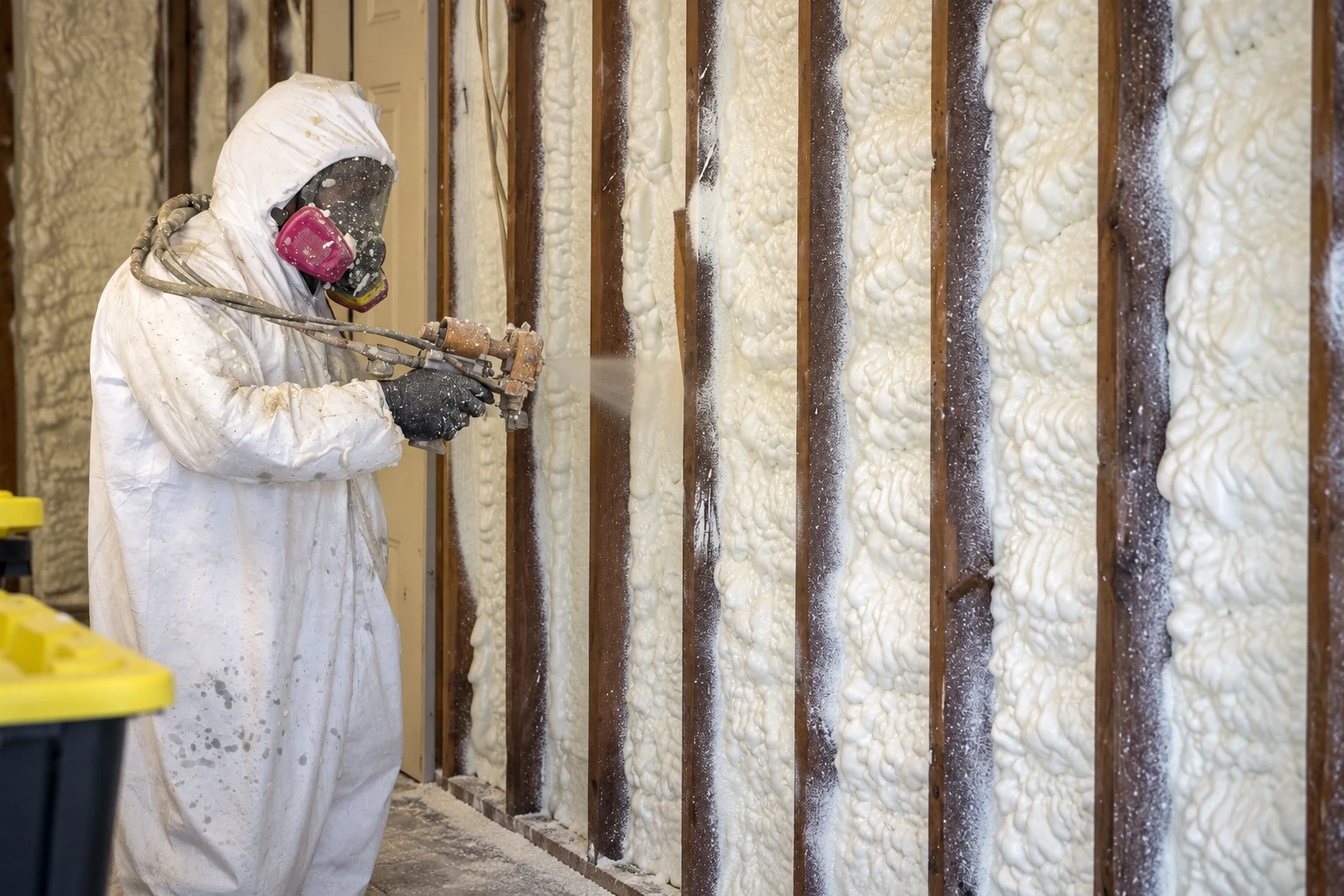
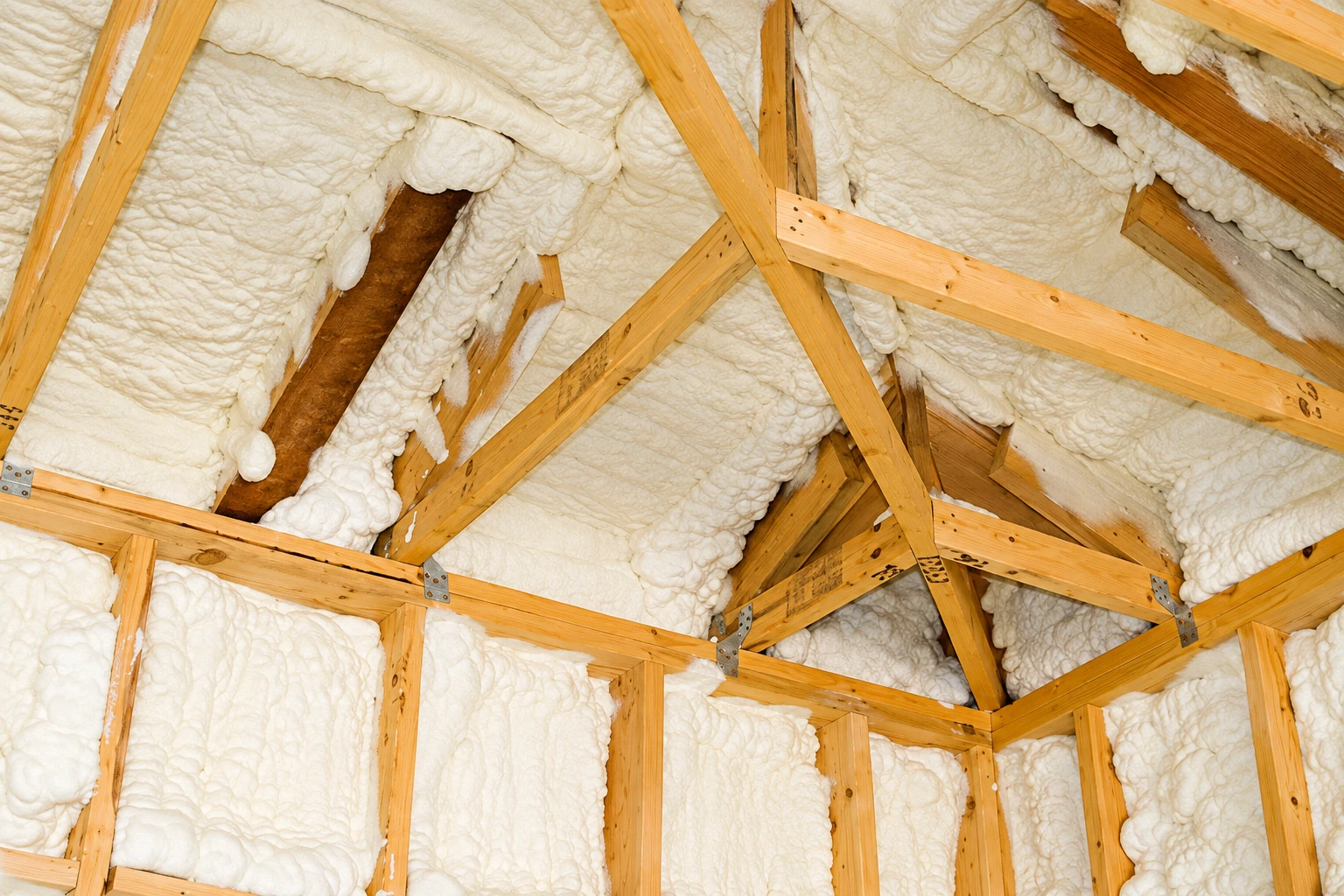
I start in the attic, because foam stuck to the roof deck hides whatever is underneath it. The roof has to be sound and any soaked or dirty insulation has to come out before we spray. Our crew covers everything that isn't getting foam, then sprays high-density closed-cell foam onto the underside of the roof deck, where it sets into a hard layer that seals the air leaks and insulates at the same time. That turns the attic into a sealed space inside the house instead of a vented oven above it. A sealed attic still needs some way to get rid of moisture, so I plan for that before the first pass. Federal building guidance says to cover the foam with a fire-protection layer, such as a coating or drywall, where the foam or the code calls for one, though not every foam does. Then we clean up.
Closed-cell isn't the only foam we spray. When moisture isn't the worry and the budget is tighter, open-cell foam insulation also seals the air leaks. Building owners and property managers can ask about our commercial insulation work for offices, shops and rentals.
Full roof deck, ducts upstairs
This suits houses with the furnace, the AC and the ducts in the attic. Foaming the whole underside of the roof brings all of it inside the house, and that's the main reason to pick closed-cell.
The room over the garage
This suits the bonus room that's hot in summer and drafty in winter. Closed-cell fills the tight, odd-shaped spaces around those rooms well, where batts tend to leave gaps.
Sealing and loose fill instead
This suits attics with no ducts or equipment up there. Foam costs more, and attic air sealing, which closes the gaps around lights, pipes and the hatch, plus a top-up of blown-in insulation usually does the job for less, so that's what I'll recommend.
Find out if closed-cell foam is worth it for your attic
We reply within one business day. Then I come out and give you a free estimate on site, with no obligation. You can also call (424) 318-3075.
Call (424) 318-3075Why Torrance homeowners call SealPro for closed-cell foam
I look before I quote
I come out to every job and write the estimate myself, after I've seen the attic with my own eyes. That way nobody pays to bury a leak or a damp spot under new foam.
In business since 2017
It started as weekend jobs in neighbors' attics, and we've been at it since 2017, nine years now. That's nine summers of learning which attics are worth foaming and which aren't.
Licensed and insured in California
We're licensed and insured, and California's Contractors State License Board is the agency that licenses contractors here. That matters on a job where a crew is up in your attic running spray equipment.
Foam gets one good shot
There's no standard way to remove or fix spray foam that went on wrong, so the care has to happen before and during the spraying. The crew that sprays is one I trained, and I check the work before we leave.
If the ducts live in your attic, that's the first thing I'd like to see. Request an estimate and I'll come take a look.
What happens when you call about closed-cell foam in Torrance?
Call or send a request
Call (424) 318-3075 or use the form, and we'll set a time for me to come out. Let us know if you've noticed leaks or damp spots so I know to look for them.
I inspect and write it up
I go through the attic, check the roof deck and the ducts, and write an estimate that lists what gets fixed first, what gets sealed and what goes in. You can see what each part covers before you decide, so you aren't guessing at the bill.
Pick the spray day together
We choose the day with you so you have time to line up a place to stay for the family and the pets. You'll be out of the house during and after the spraying.
Spray, clean up, check
Our crew sprays the foam and cleans up after itself. I check the work myself before we call it finished.
Common questions
How much does closed-cell spray foam insulation cost in Torrance?
In the Los Angeles area, closed-cell spray foam usually costs about $1.00 to $1.60 per board foot, which is one square foot of foam an inch thick. That's the usual market rate, not our price, and your total depends on how much roof deck there is and how thick the foam goes. I'll give you your own figure after I've seen the attic.
Is closed-cell or open-cell foam better for my attic?
Both can go under the roof deck and both work in most climates, so the choice usually comes down to moisture and money. At its usual thickness, closed-cell lets almost no moisture vapor through, so I lean toward it when damp is a concern. When it isn't, the lighter open-cell foam is worth comparing.
How long do I have to stay out of the house after spray foam insulation?
Staff at the US Consumer Product Safety Commission advise leaving during the installation and for at least 24 hours after, so plan a place to stay for you, the kids and the pets. They also advise talking through the safety steps with your contractor. We go over them with you before the spray day, including the re-entry time, which is when it's fine to come back in.
What license does an insulation contractor need in California?
The state board's C-2 Insulation and Acoustical Contractor class covers installing any kind of insulation used to control heat or sound. The same board says a contractor can ask for a down payment of no more than $1,000 or 10 percent of the contract price, whichever is less, on a home improvement job. Any other payments have to be spelled out in the contract and tied to work already done or materials already delivered.
What is the best way to insulate an attic with ducts in it?
Insulating at the roof deck is usually the best way, because it puts the ducts and the equipment inside the house's insulated shell instead of out in the heat. Less heat gets lost on the way to your rooms, and any air leaking from the ducts still heats or cools the house instead of the attic.
How do I know if my roof is ready for spray foam?
Your roof is ready when it doesn't leak and any damage has been repaired, and federal building guidance says to check for both before foam goes under the deck. If the roof is at or near the end of its life, it often makes sense to replace it first. I check the deck from inside the attic when I come out for the estimate.
Find out if your attic needs foam
Tell us roughly how old your roof is and whether ducts run through the attic, and I'll know what to look for before I get there.