
Crawl space insulation in Torrance CA - warmer floors, done in the right order
Cold floors and drafts coming up from under the house? We look before we insulate, so your floors stay warmer and nothing gets buried.
- Licensed and insured.
- Free quotes on site.
- Expect a reply within 1 business day.
What does crawl space insulation do for a Torrance house?
Crawl space insulation in Torrance puts insulating material in the floor above the crawl space or on the crawl space's outer walls, so the rooms over it hold their temperature and the floors stop feeling cold underfoot.
Most calls start with cold floors in the morning, a musty smell that comes and goes, or a power bill nobody can explain, and the cause is usually under the house, where nobody likes to look, including the people paid to. What moves the price is the size of the crawl space, how much room there is to move around down there, floor or walls, batts or foam, and whether old insulation has to come out first through insulation removal. The schedule mostly turns on what I find, because damp spots, mold or old wiring get handled before anything new goes in. That's why your own figure comes after I've been under there, not before.
How do you know your crawl space needs insulation?
Cold floors in winter
The floors feel cold through your socks and the rooms over the crawl space never quite warm up. That usually means the floor above has thin insulation or none, and every winter you wait, the heater runs longer to make up for it.
Batts hanging from joists
If you peek through the access door and see insulation sagging or lying in the dirt, it's stopped touching the floor and isn't doing much. When those batts are wet or chewed, they also hold moisture against the wood, and that gets worse the longer they stay.
A musty smell indoors
Air from the crawl space rides up through gaps around pipes and wires, and it brings the smell with it. It usually points to moisture below and open holes in the floor, and if it turns out to be mold, that has to be cleaned up before any insulation goes in.
Work that often goes with it
Wall insulation
Worth a look when an outside wall feels cold to the touch, because a warm floor won't do much if the walls around it are hollow.
Air sealing services
Closes the small openings around the house that pull air up from below and let heat slip out the top.
How we handle crawl space insulation
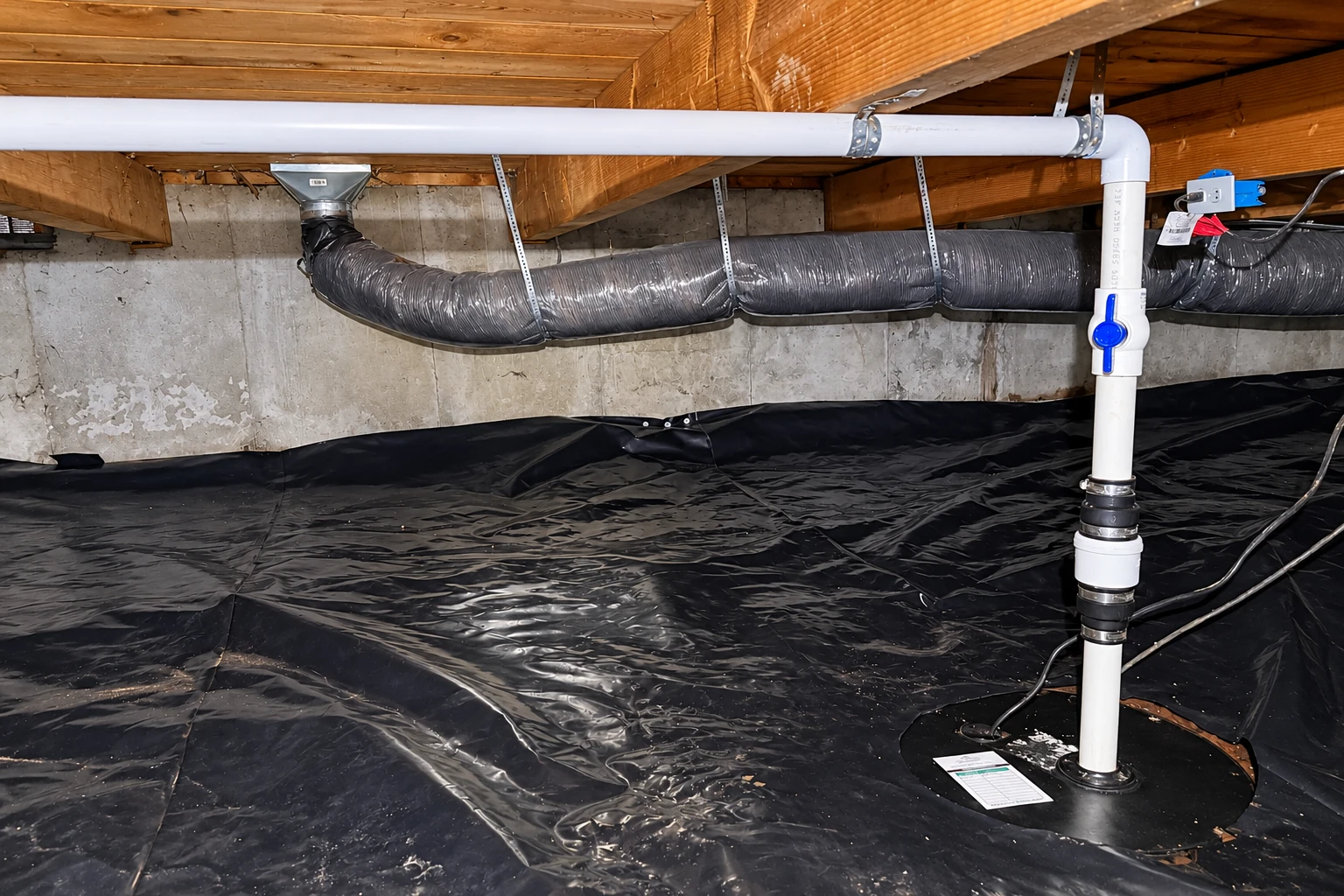
I start by going under the house and looking at everything before anything gets sold, the vents, the dirt, the pipes and wiring, and whatever insulation is already hanging off the joists. Leaks, damp spots, droppings and old wiring get handled first, because insulation can't fix what it's covering, and fresh batts over a wet mess just keep the problem. Then we seal the gaps where pipes, wires and ducts come through the subfloor, so the new insulation isn't fighting a draft, fit it tight between the floor joists with no gaps or squashed spots, and haul the debris out. The big choice down there is the floor above or the crawl space walls, and I walk you through both, since closing up the vents is part of a bigger plan and not a shortcut.
Crawl space work often shows where else the house is leaking. If rooms still feel drafty once the floor is done, air sealing services go after the gaps at outlets, the attic hatch and along the tops of the walls, and older homes with empty exterior walls usually need wall insulation before those rooms really hold heat.
Batts against the subfloor
This suits most vented crawl spaces without ductwork underneath, because it keeps the cold below the floor and costs the least. Once the gaps are sealed, it's usually the one I point people to.
Spray foam or a mix
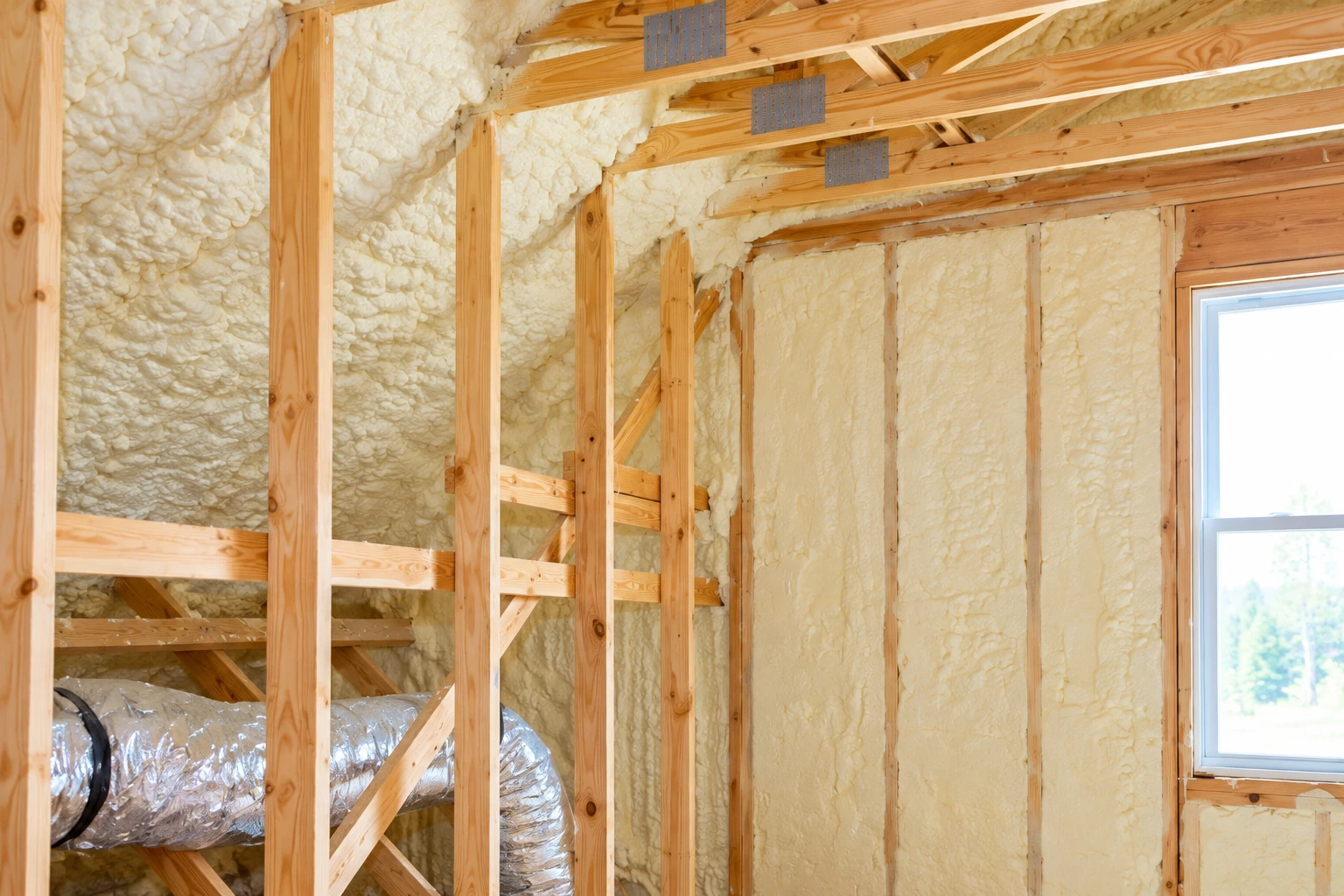
Foam costs more but seals air while it insulates, so it suits odd framing and the rim around the edge where batts never sit right. Foam at the edges with batts in between is often the sensible middle ground.
Sealed crawl space walls
This suits a house that's ready for the bigger job, with the vents, the ground and any fuel-burning equipment planned together. It costs more and takes more steps, and the questions below explain why.
Get a free crawl space estimate after I've looked underneath
Send the form and we'll reply within one business day to set a time for me to come look. The estimate is free and there's no obligation. Rather talk? Call (424) 318-3075.
Call (424) 318-3075Why Torrance homeowners call SealPro Torrance Insulation Company for crawl spaces
I write every estimate myself
I come out to every job and look at the space before anything goes on paper, so nobody pays to bury a problem under new insulation. The price you see is built on what's actually down there, not a guess from the driveway.
Licensed and insured for this
We're licensed and insured. Ask that of anyone you let under your floor, because a crawl space is where shortcuts stay hidden longest.
In business since 2017
That's nine years, and I learned the trade on neighbors' homes in Torrance and from the installers I worked beside. You get someone who has seen what goes wrong under a house and knows what to check first.
Permits checked before we start
California's Energy Code has efficiency rules for work on existing homes, not just new ones, and some of the standards for a home's outer shell depend on the state climate zone the house sits in. Whether your job needs a permit is up to the office that covers your address, so we check with them before we start, and when one is needed we handle the paperwork and the inspections.
Down there, the order matters more than the material. Request a visit or call (424) 318-3075 and I'll come take a look.
What happens after you call about your crawl space?
Call or send a request
Call (424) 318-3075 or send the form with your address and what you're noticing, and we get back to you to set a time. We take calls seven days a week, evenings included.
I inspect the crawl space
I go under the house and check the vents, the ground, the pipes, the wiring and whatever insulation is already there. Your estimate lists what gets fixed first, what gets sealed and what goes in, so you can see where the money goes before you say yes.
The crew does the work
Once anything on the fix-first list is handled, the crew seals the gaps and installs the insulation. They clean up after themselves, including whatever old material comes out from under the house.
I check before we finish
I go back under and check the work before we call it finished. The job is satisfaction guaranteed.
Common questions
Should I insulate the floor or the walls of my crawl space in Torrance?
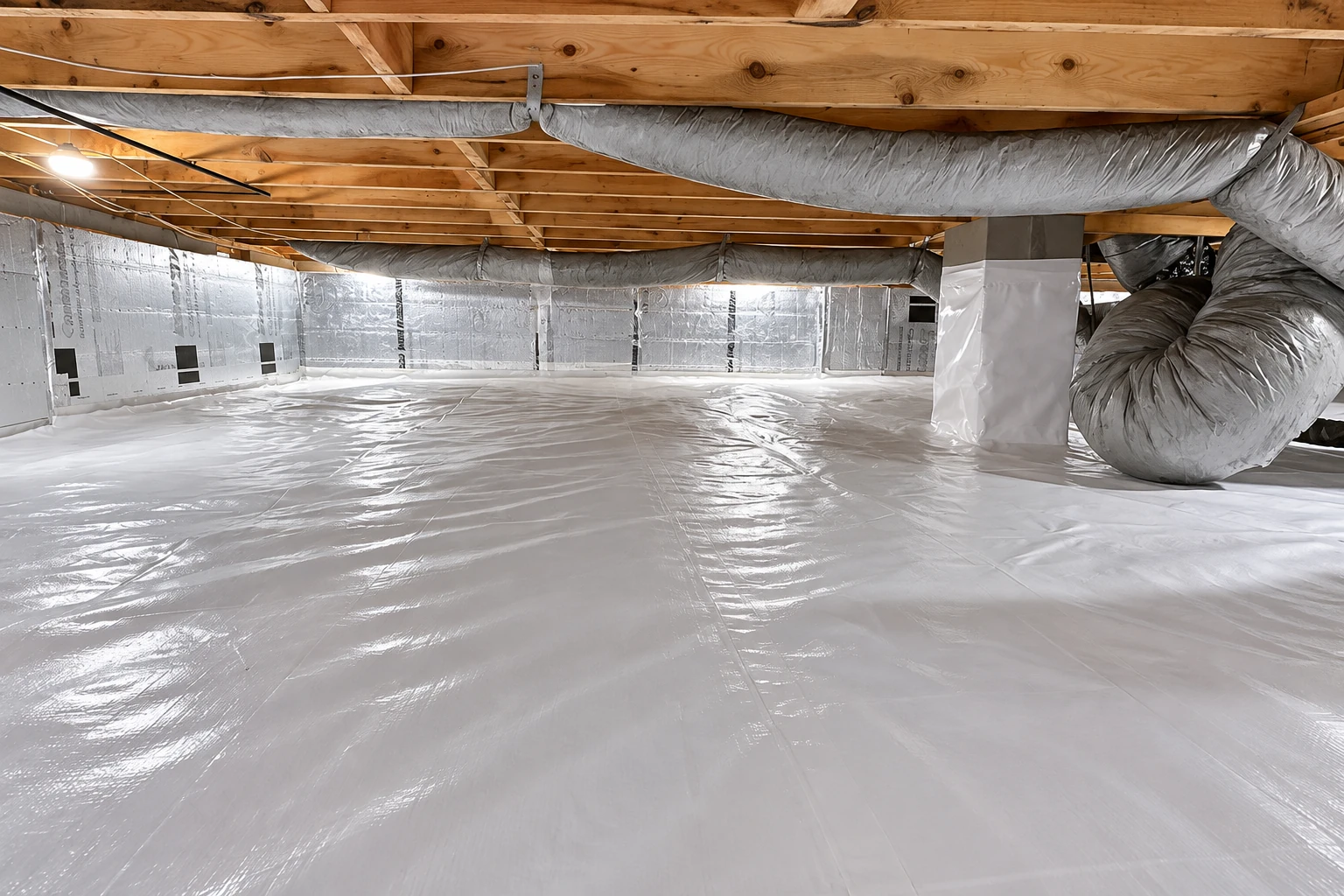
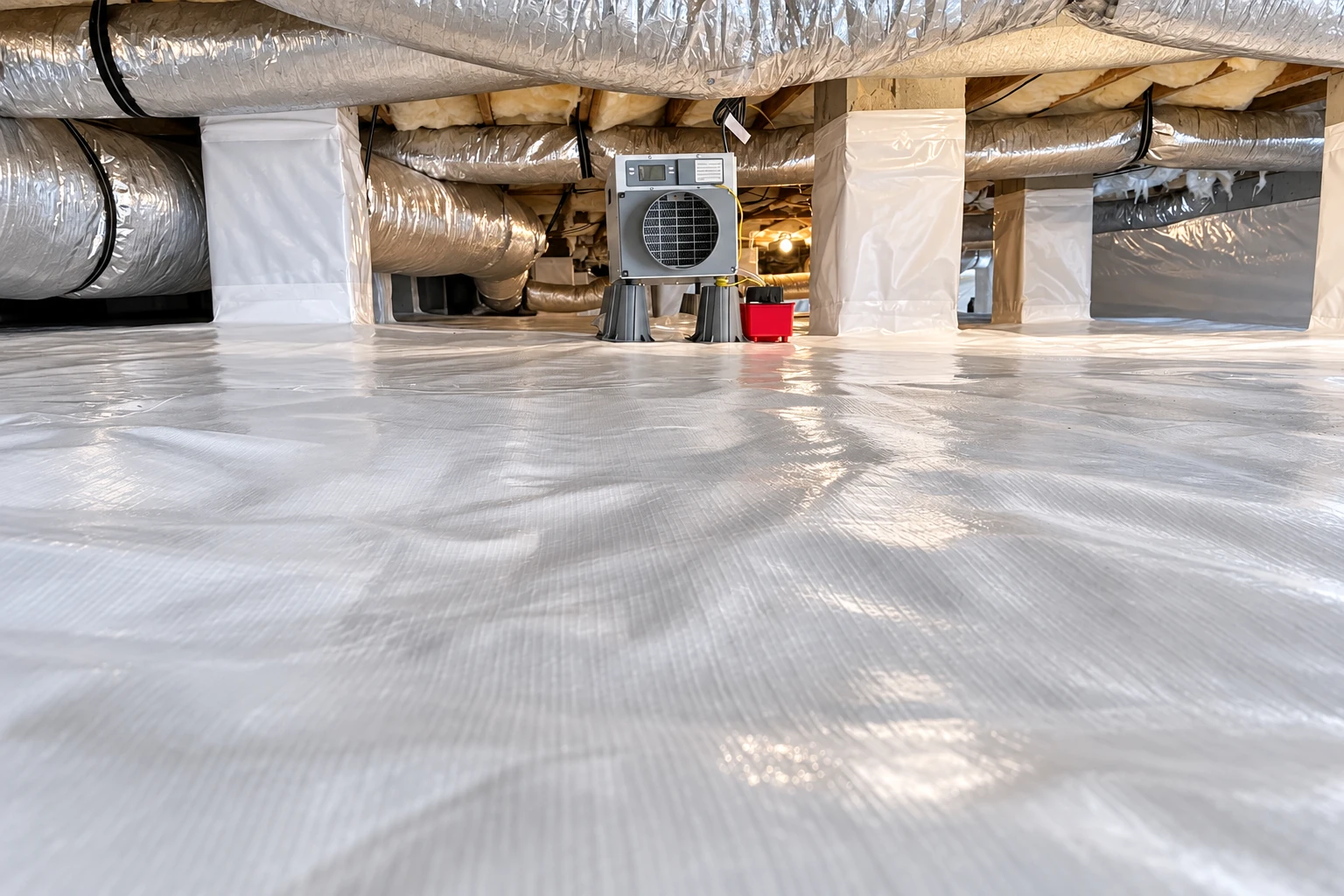
For a vented crawl space, it's usually the floor above, done with batts, spray foam or a mix set snug against the subfloor, which acts as the seal between the house and the space below. One insulation maker, Johns Manville, says the general rule in a sealed crawl space is to insulate the outer walls instead, and then the water pipes and heating ducts down there don't need insulating on their own. Wall insulation can be damaged by rodents, pests or water, and federal guidance says to start a wall plan by reviewing it with pest control and the local building officials, so I walk you through both before you choose.
Can I just close the crawl space vents to keep the house warmer?
No, not by itself. Turning a vented crawl space into a sealed, dry one takes more than closing the vents, and national guidance warns that closing them alone can raise moisture and create a deadly situation if fuel-burning equipment that vents naturally, like an older gas furnace or water heater, sits down there. When we seal one, it's part of a full plan that starts with what's under the house.
How much does crawl space insulation cost in the Los Angeles area?
Insulating a crawl space in the Los Angeles area usually costs about $1,700 to $7,500 per project. Where yours lands depends on the size of the space, floor or walls, batts or foam, and whether old insulation, mold or damp has to be dealt with first. Your own figure comes from the estimate after I've seen it.
Who is allowed to install crawl space insulation in California?
A licensed contractor, and the state's contractor licensing board lists an insulation contractor class that covers installing any insulating material for temperature control. Unlicensed work is only allowed on small jobs under $1,000, and only when the job needs no permit and the person doing it has no one working for them on it. Most crawl space jobs run past that, so check the license of whoever you hire.
How do I deal with mold in a crawl space before insulating?
Have it inspected and cleaned up first. National guidance says that when a crawl space has surface mold or fungal growth, a certified mold remediation expert inspects it and sets a cleanup plan before the work can go ahead. Insulation over mold just hides it, so if I see it on my visit, that comes first.
What is the best way to keep ground moisture out of a crawl space?
A well-installed vapor retarder, a sheet laid over the dirt that slows moisture rising from the ground, helps limit ground moisture and soil gases such as radon. Insulation does its best work over a dry space, so I look at the ground cover on the visit and can price a crawl space vapor barrier along with the rest.
Book a look under your house
Call (424) 318-3075, email team@torranceinsulationcompany.com or send the form, and mention your vents, any furnace or water heater down there and any mold you've seen, so I know what to check first.