Retrofit insulation in Torrance CA - an older house that stays comfortable upstairs
Hot upstairs, cold walls or a thin layer in the attic? We fix what's underneath first, then add insulation so your rooms stop fighting the weather.
- Licensed and insured.
- Free quotes on site.
- Expect a reply within 1 business day.
Can you add insulation to a Torrance house that's already built?
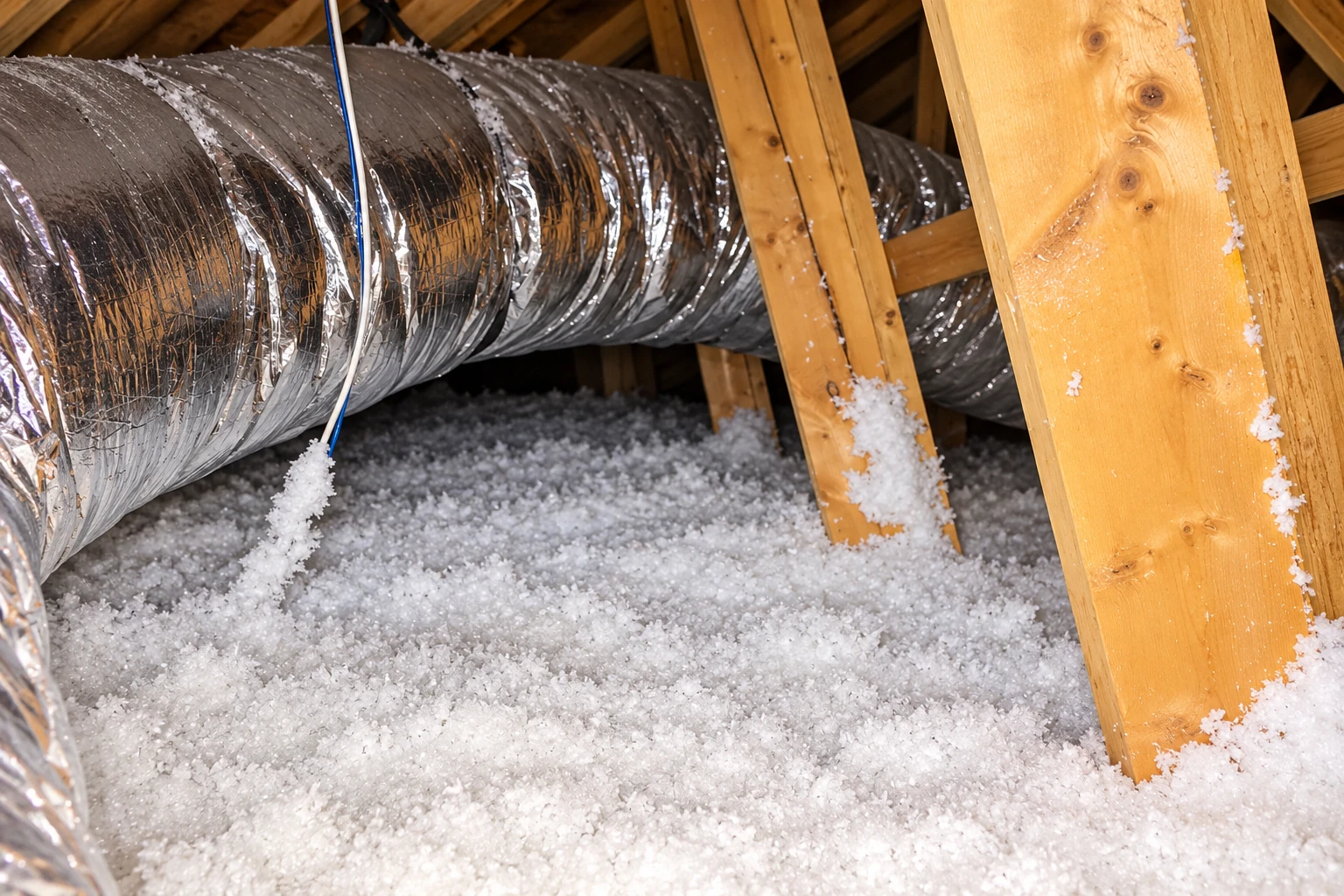
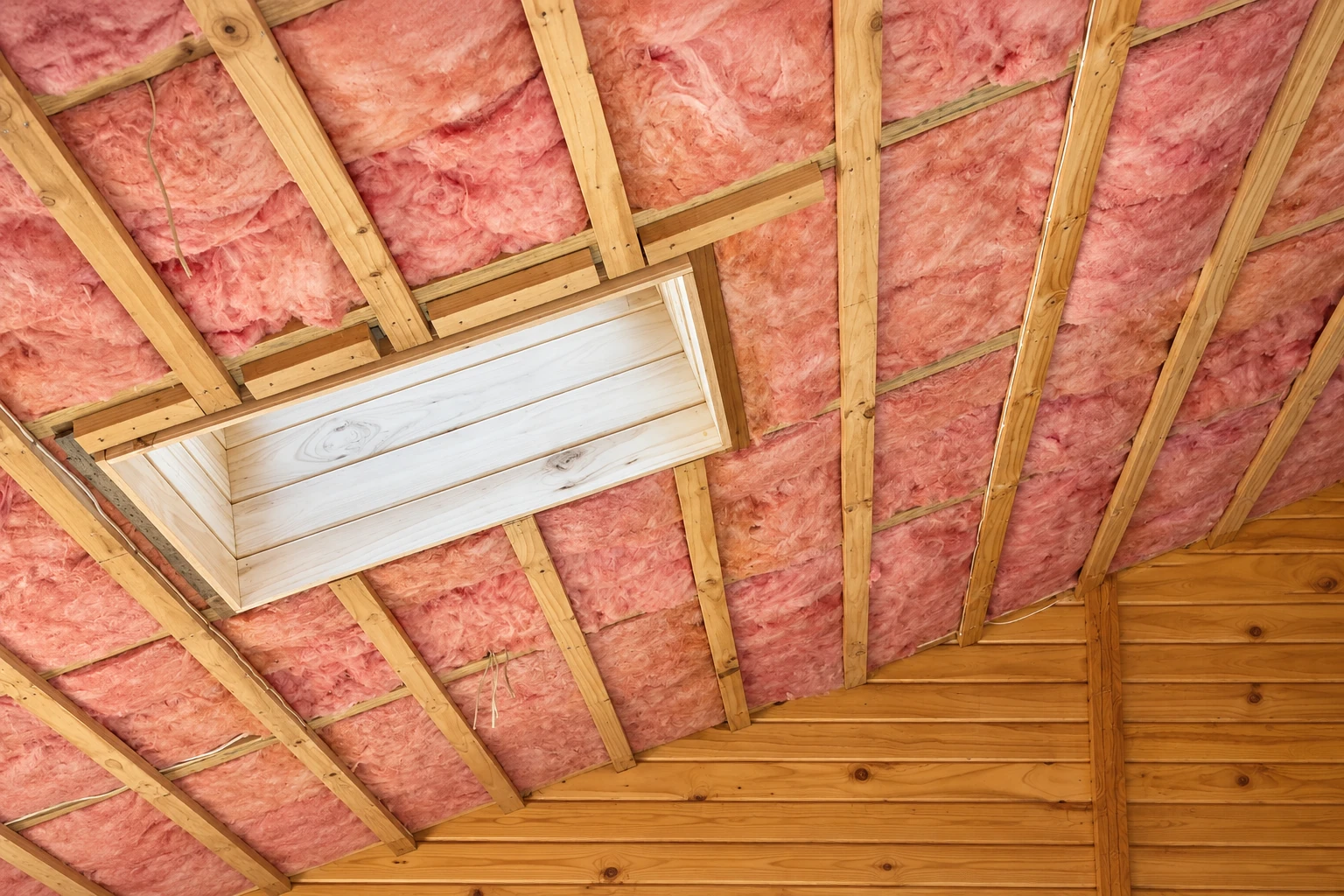
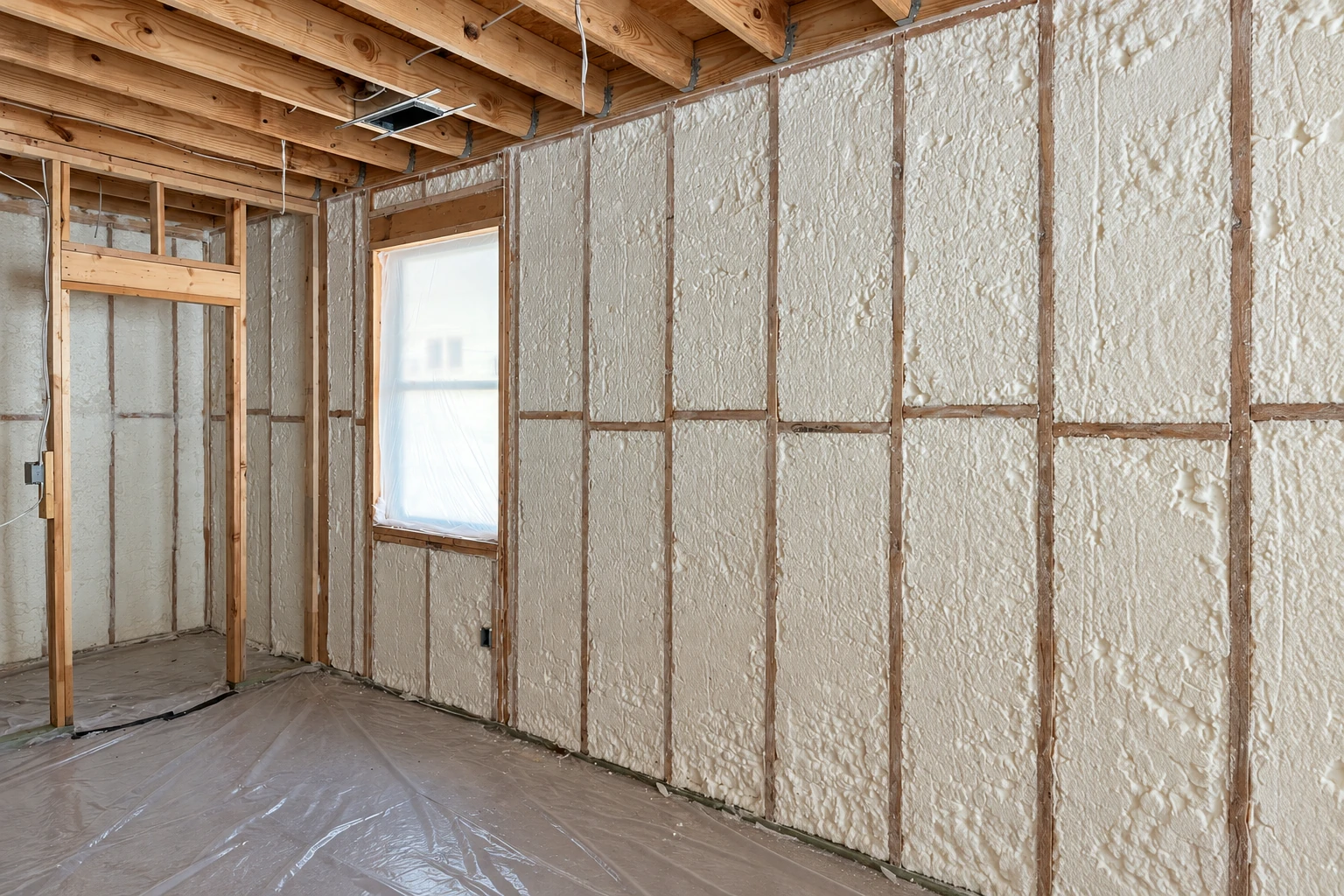
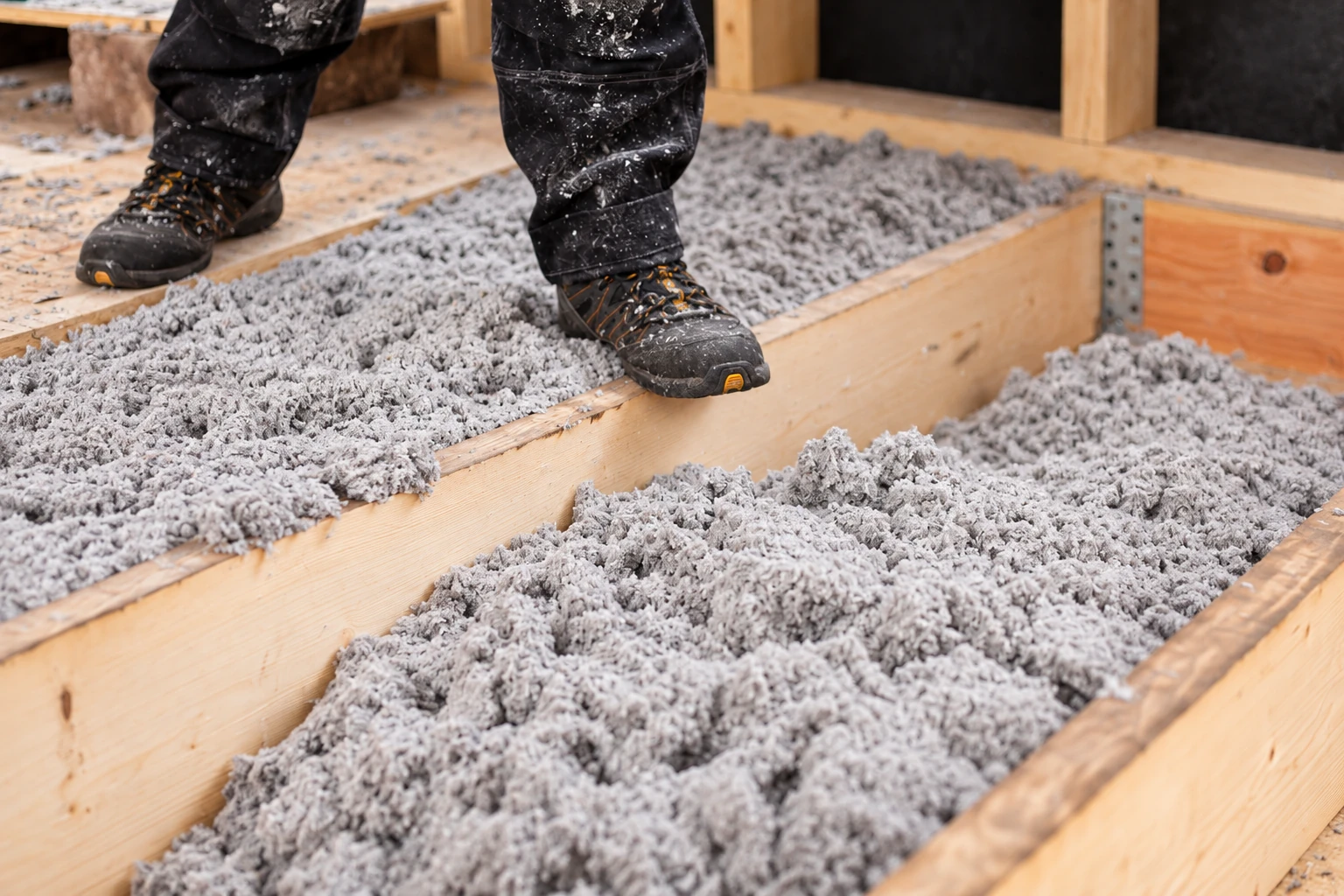
Yes. Retrofit insulation in Torrance means adding insulation to the attic or walls of a house that's already standing, usually blown in as loose fill through a hose, so it holds heat in during winter and keeps it out in summer.
Older houses often have little or nothing on the attic floor, and plenty have walls with nothing in them at all. The price comes down to how big the attic is, how much is already up there, how easy it is to get into, whether the walls get done too and whether anything needs fixing first. Those repairs also set the schedule, because they happen before any new insulation goes in. The estimate spells all of that out for your house, in the order the work happens.
How do you know your house needs more insulation?
Upstairs stays hot
The bedrooms upstairs or the room over the garage are still warm at bedtime after a sunny day. That usually means a thin attic layer or open gaps letting heat in, and until it's fixed, your AC keeps losing that fight on the power bill.
Joists showing in the attic
Pop the hatch and look across the floor, and if you can see the tops of the wooden joists, there isn't much insulation up there. That's common in older houses, and you pay for it every month the heat or AC runs.
Cold walls and drafts
Outside walls feel cold on a winter morning, or you feel air moving near outlets and baseboards. Often the walls have little in them and the gaps were never sealed, so those rooms never quite match the rest of the house.
Often paired with retrofit insulation
Attic insulation
For when the walls can wait and the attic floor is the thin spot you feel every August.
Spray foam insulation
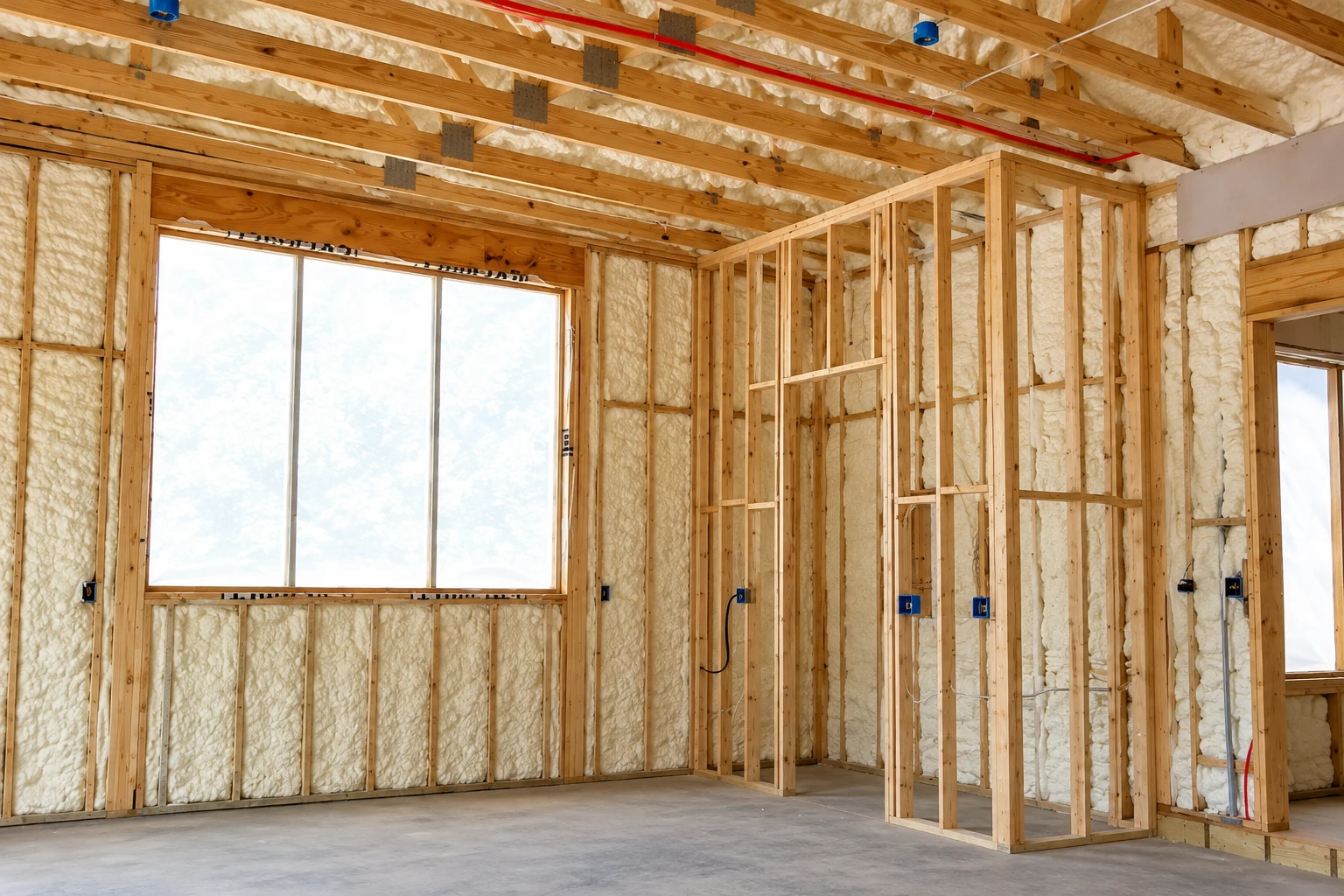
For attics full of ductwork or tight spots where a foam seal is worth paying more for.
How we do retrofit insulation
Every job starts with me up in the attic, because the first question isn't how much to add, it's what's wrong up there, and attics are good at hiding things under a few decades of dust. Older homes usually need the attic first and the walls second, and wet insulation, bad venting or old wiring get fixed before either one, since insulation can't fix what it's covering. Then the crew does the air sealing, closing the gaps around can lights, pipes and the hatch so the new layer isn't fighting a draft. We keep the eave vents clear so the attic can still breathe, blow in loose fill as deep at the edges as in the middle, and fill the walls through small holes we patch afterward when they need it.
Some houses only need part of this. If the walls are fine and the attic floor is the whole problem, that's our attic insulation work on its own, and where foam is the better fit for part of the house, we handle that through our spray foam insulation service.
Air sealing plus blown-in fill
This suits most attics. Sealing the gaps and topping up with loose fill usually gets you the most for your money, which is why it's where I start.
Spray foam where ducts run
Foam costs more, but it seals air while it insulates. It earns that price when your ductwork lives in the attic, and usually not otherwise.
Walls from inside or outside
Filling from outside means going through the water barrier behind the siding, which then has to be patched or replaced. Working from inside leaves that layer alone, so the choice comes down to which side is easier to reach and what shape that barrier is in.
Get a free estimate for your attic and walls
We'll reply within one business day to set a time, and I'll come look before putting anything on paper. The estimate is free with no obligation, and you can call (424) 318-3075 instead.
Call (424) 318-3075Why Torrance homeowners call SealPro for retrofit insulation
I look before anything's sold
I come out to every job and write the estimate myself, and a crew I trained does the install. That way nobody pays to bury a damp spot or bad wiring under fresh insulation.
In business since 2017
This started with me doing attics for neighbors on weekends until the calls kept coming. Nine years in, I'd still rather tell you a job isn't worth it than sell it to you.
Licensed and insured for this
We're licensed and insured. Your attic holds wiring, ductwork and the back of your ceiling, and if something goes wrong up there, it shouldn't land on you.
Based in Torrance, planned locally
We're based in Torrance and work in Torrance and the cities around it, like Redondo Beach and Gardena. California's energy code sets standards for a home's outer shell by climate zone, so what suits your house depends on the zone it sits in.
On an older house, the order of the work matters more than the material. Get in touch and I'll come take a look.
What happens after you call about retrofit insulation?
Call or send a request
Call (424) 318-3075 or use the form, and we'll get back to you to set up a visit. Tell us roughly how old the house is, and I'll know what to look for.
I inspect and write it up
I come out and look at the attic, walls or crawl space before writing anything down. The estimate lists what gets fixed first, what gets sealed and what goes in, so you can see where your money goes.
We check permits, then install
Whether your job needs a permit is up to the office that covers your address, so we check with them before we start and handle the paperwork and inspections if one's needed. Then the crew does the work in the order the estimate lists.
I check it before we're done
The crew cleans up, and I go back up to check the coverage, the seals and the eave vents. It's not finished until the edges are as deep as the middle.
Common questions
How much does attic insulation cost in the Los Angeles area?
Attic insulation in the Los Angeles area usually costs about $1,600 to $5,300 per job, and that's the going range around here, not our price. That range covers the attic only, so filling walls or fixing damp insulation, venting or wiring first adds to it. My estimate breaks those pieces out so you can decide what to do now.
How do I insulate existing walls without tearing them open?
Drill and fill is the common way, with small holes drilled near the top of each wall cavity from inside or outside and each cavity filled with blown-in insulation. A heat camera is a good way to confirm every cavity actually filled, so it's worth asking any installer whether they use one. It shows gaps best on a day when it's much warmer or cooler inside than out.
What should be fixed before insulating an attic in an older house?
Wet or damp insulation, moldy or rotted rafters, fans that vent moist air into the attic and an attic with little or no ventilation should be corrected before new insulation goes in. Knob and tube wiring, the kind put in before 1930, can't have insulation on it or around it because it can be a fire hazard where they touch. Those repairs come first, so they belong in the plan and the budget from the start.
Who is allowed to install insulation in California?
In California, the insulation and acoustical license from the state licensing board covers installing any insulation used for heat or sound control. Someone without a license can only take small jobs under the state's $1,000 limit, and only when the work needs no permit and they have nobody working for them on it.
How do I get my attic ready for insulation?
Clear anything stored on the attic floor, because the new insulation needs to lie level, and those boxes aren't enjoying the heat up there anyway. Bathroom and other ventilation fans should also be ducted outside, and if yours empty into the attic, that goes on the list of things we fix first.
Is it safe to remove old insulation from a house built before 1980?
It can be, but it needs a look first, because some old materials contain asbestos, and those become a health hazard once they're disturbed. In homes built before 1980, lead safety rules may also apply, depending on how much of the walls the work disturbs inside and out. That's one more reason I look at the space before anything gets pulled out or drilled.
Book a look at your attic and walls
Call (424) 318-3075 or send the form with your home's age, how you get into the attic and anything you know about damp insulation, vents or old wiring, so I know what I'm walking into.