
Insulation removal in Torrance CA - an attic cleared before anything new goes in
Droppings, water stains or a smoky smell in the attic? We take out what's ruined so your new insulation starts clean.
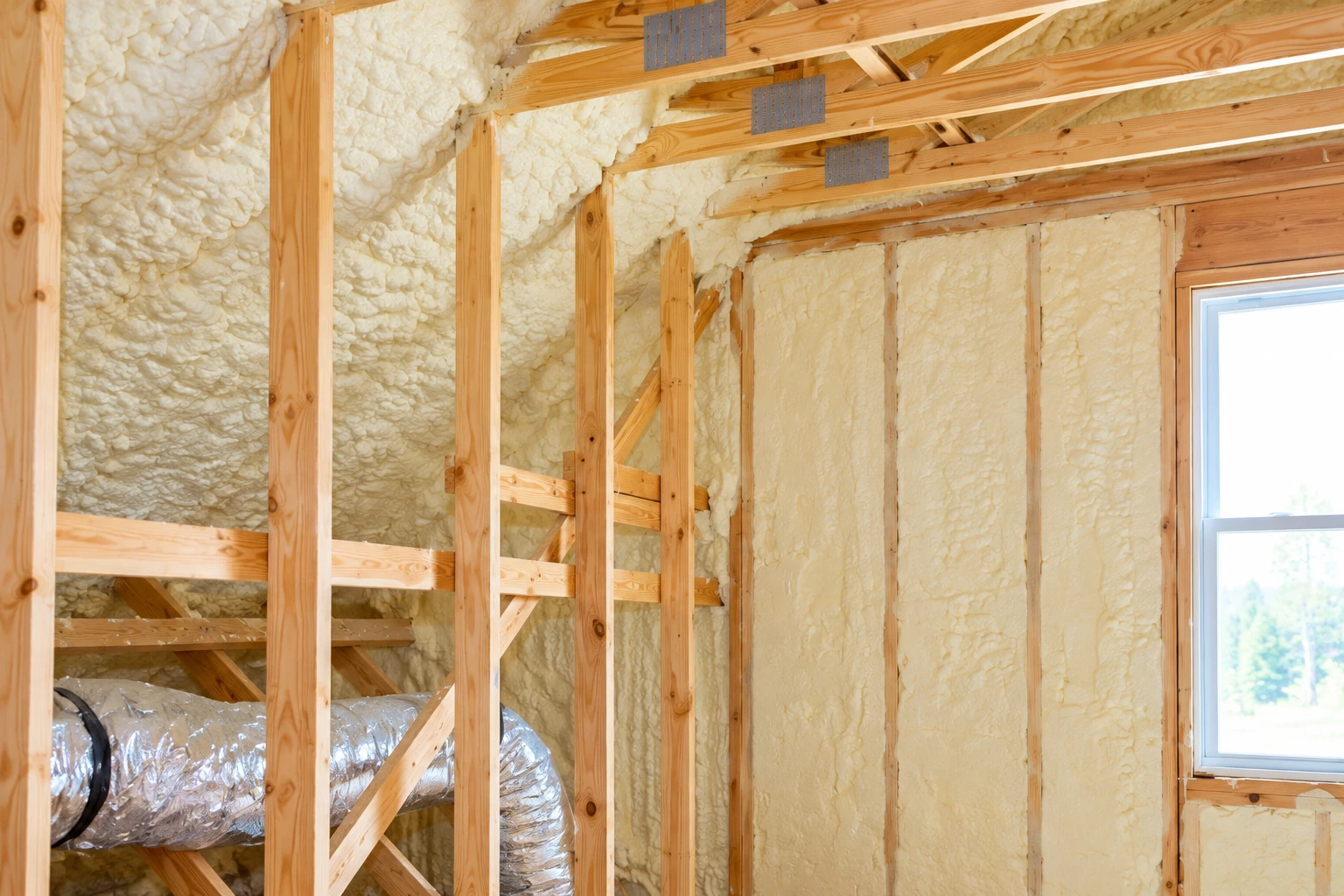
- Licensed and insured.
- Free quotes on site.
- Expect a reply within 1 business day.
Does the old insulation in your attic need to come out?
Insulation removal in Torrance means taking old, damaged insulation out of the attic so new insulation goes onto clean, sealed framing instead of on top of the problem. At SealPro Torrance Insulation Company, I look first, because plenty of old insulation doesn't need to come out at all.
Maybe you went up for the holiday boxes and found droppings, or there's an old ceiling stain from a leak that's since been fixed. Attics are good at keeping secrets, so the first job is finding out what's actually up there. The price mostly depends on how big the attic is, how tight it is to work in and what's in the old insulation, because damaged insulation is more work than a clean top-up. The schedule mostly depends on access and on anything that has to be fixed first, like a leak or old wiring, before the new attic insulation goes in. The estimate spells out which of those you're dealing with.
How do you know your attic insulation has to come out?
Droppings in the insulation
Droppings, nests or tunnels chewed through the fluff mean rodents have been living in it, and that insulation is contaminated. Putting new insulation on top just buries the mess, and the attic keeps smelling like whatever's under there.
Water stains or matted patches
A brown ring on the ceiling, or insulation that's flat and crusty, usually means a roof or pipe leak soaked it. Soaked insulation doesn't spring back, and if the leak is still going, new material over it just gets wet too.
A smoky smell upstairs
After a fire in or near the house, insulation can hold onto smoke long after the walls get repainted. If the upstairs smells like a campfire on warm days, the attic is usually the source, and it won't air out on its own.
Work that often comes next
Crawl space insulation
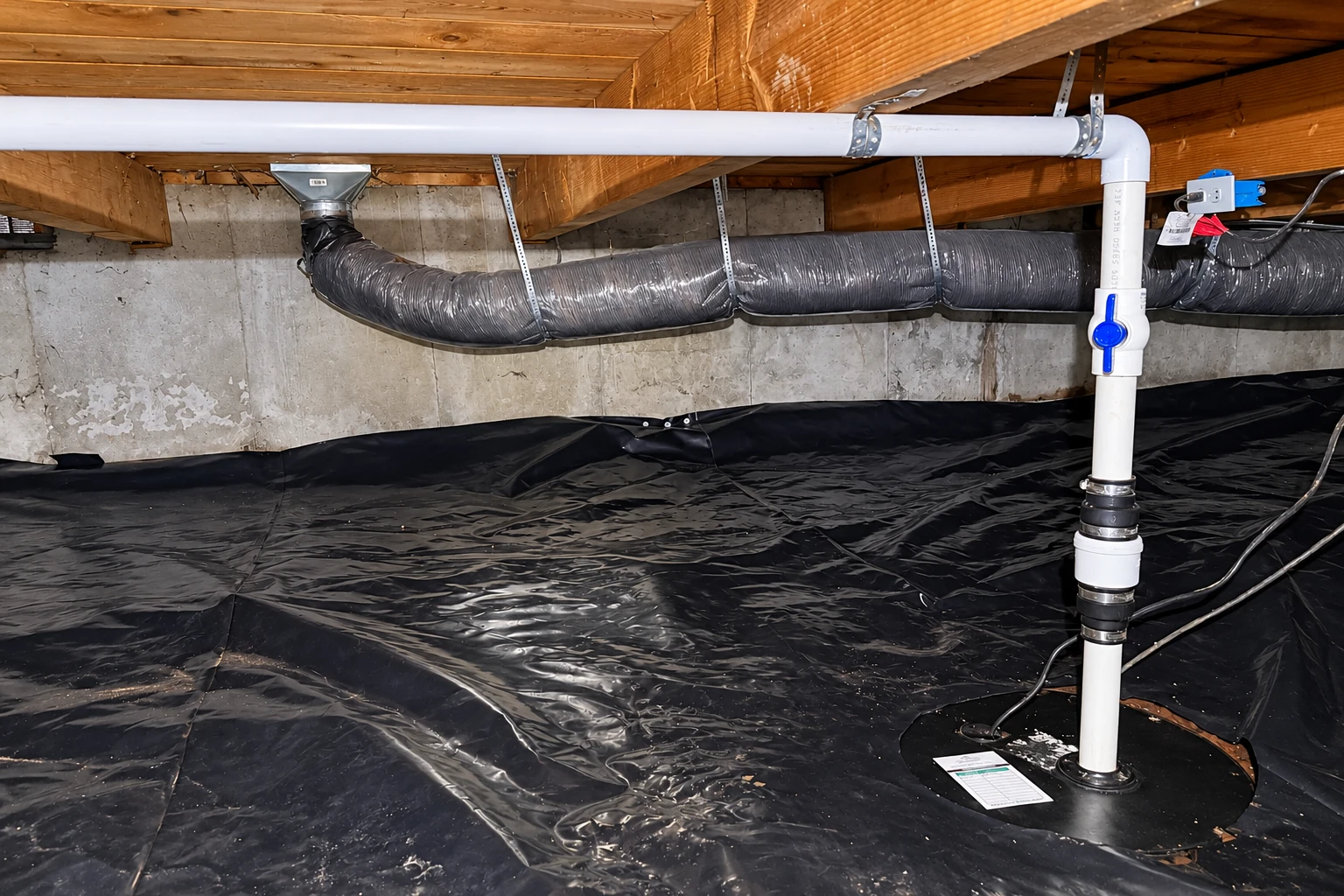
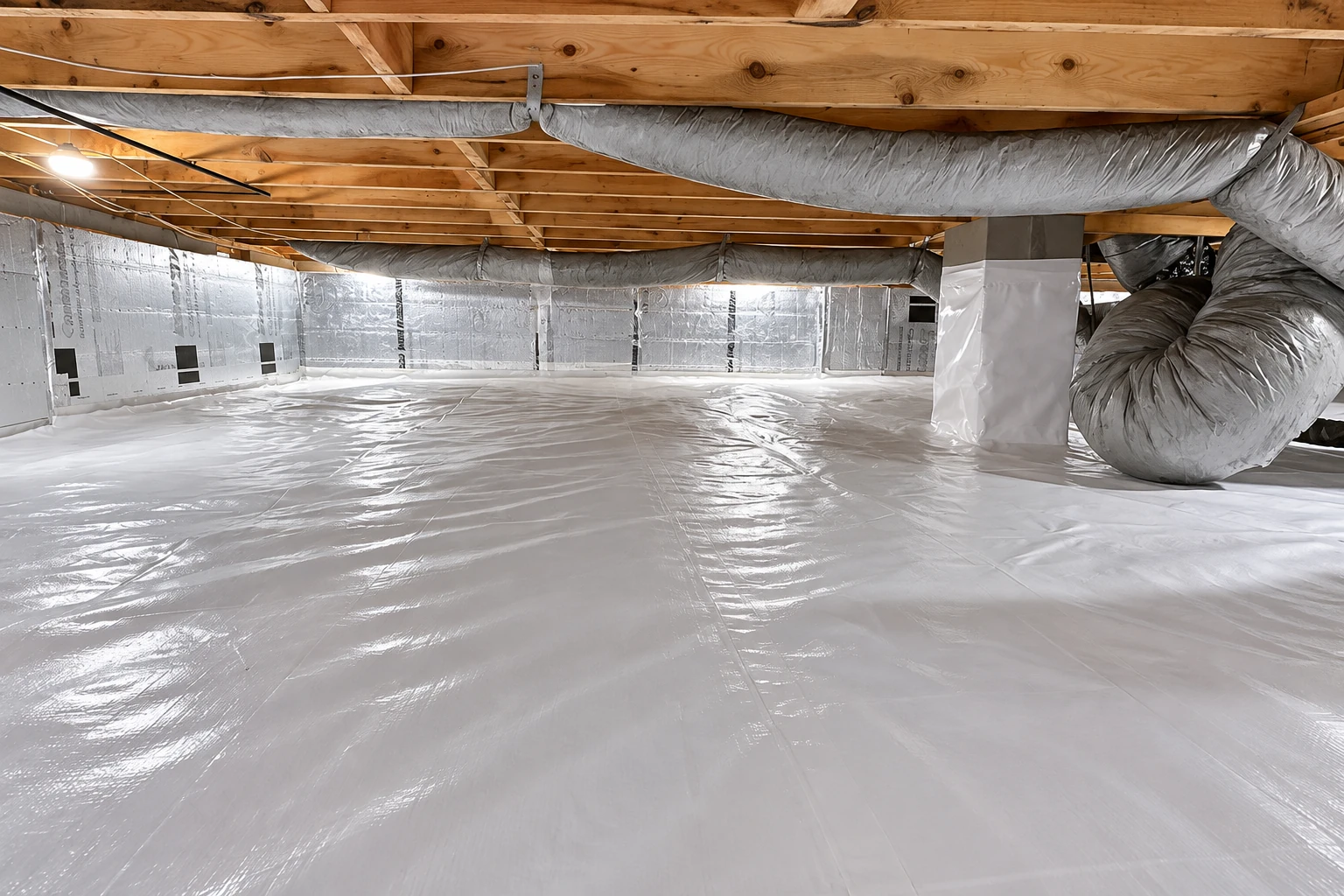
When the attic turns up droppings or damp, the space under your floors is worth a look too, especially if the floors run cold.
Wall insulation
If a room still runs hot or drafty after the attic is redone, the walls are usually where the heat is getting through.
How we handle insulation removal
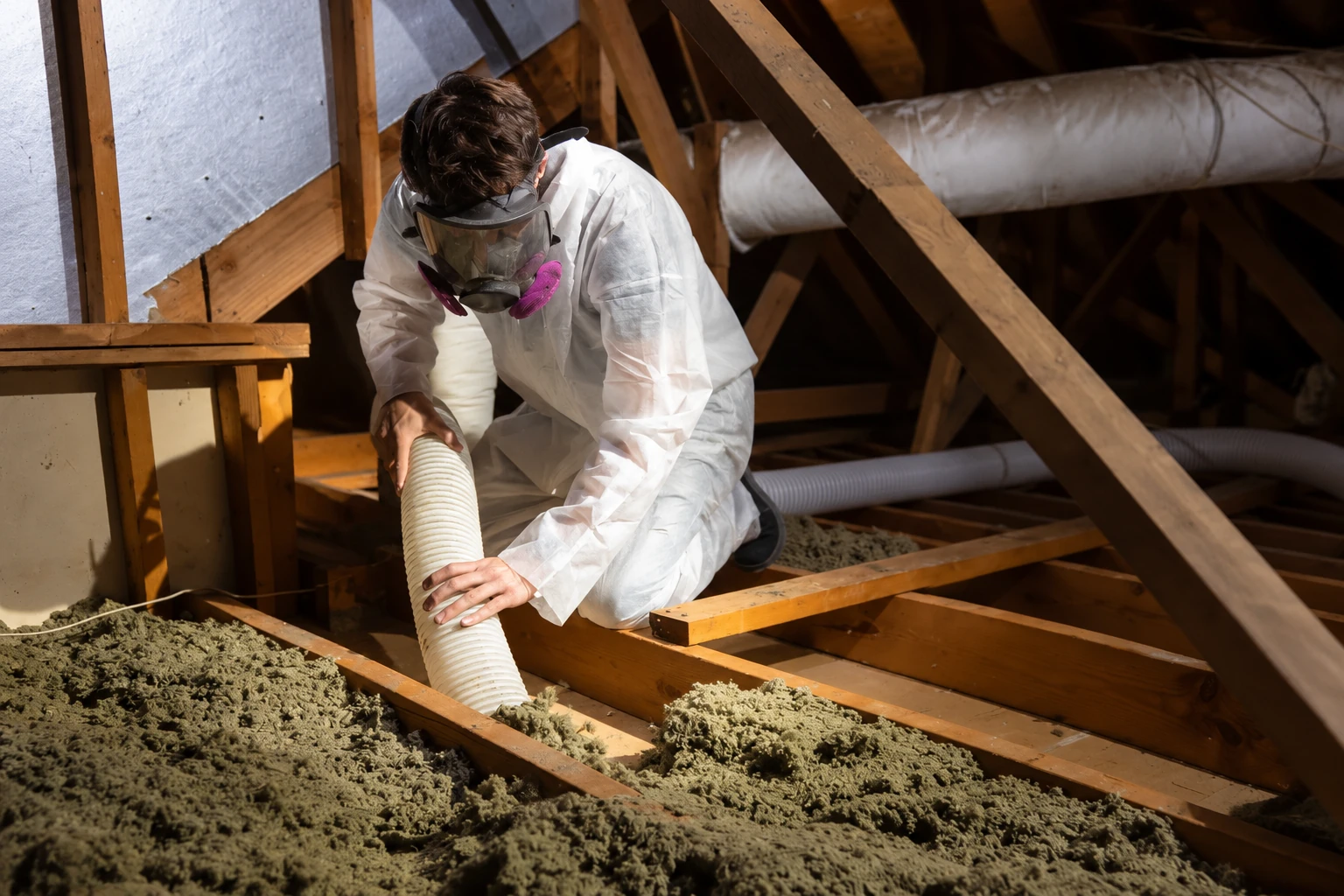
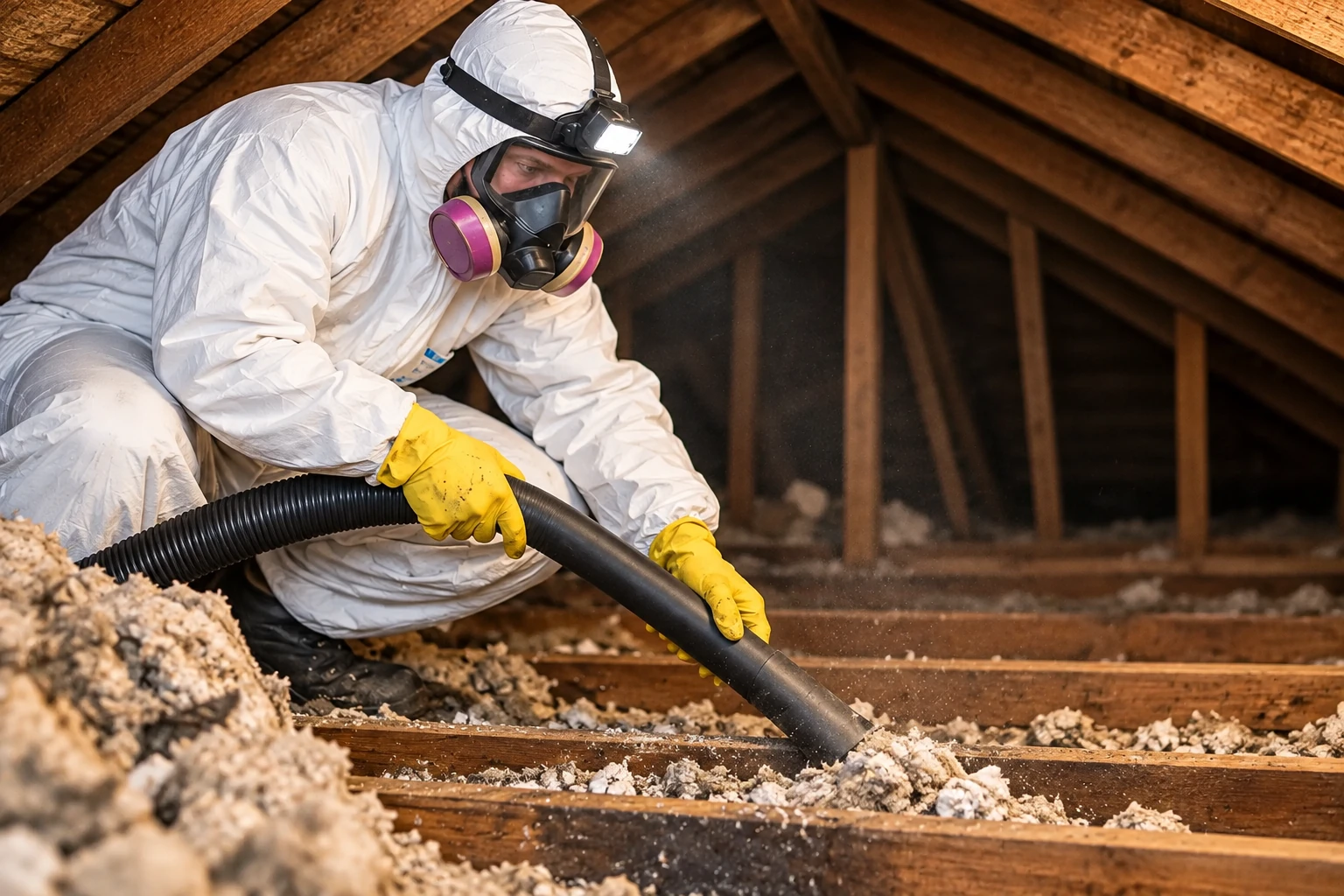
I start by looking, because the answer isn't always removal. If the old insulation is dry and clean, I'll tell you it can stay and spare you the mess. If rodents, water or smoke got into it, it comes out, and if it looks like vermiculite we leave it alone and point you to an asbestos abatement contractor. On a removal, the crew first tapes plastic over the attic hatch and the return vents, since dust from old fiberglass and cellulose will happily ride your ducts into the bedrooms. Then the old insulation comes out, leaks and old wiring get sorted while the framing is bare, the gaps get sealed and the new insulation goes in last.
Trouble in the attic often has company elsewhere in the house. If the floors stay cold, crawl space insulation can be done in the same visit, and if one bedroom never cools down, wall insulation is usually what fixes it.
Seal and top up
This suits attics where the old insulation is dry and clean. We seal the gaps and add loose fill on top, which usually gets you the most for the money.
Full removal and new fill
This is for insulation with droppings, water damage or smoke in it. It all comes out so the new insulation isn't sitting on the old problem.
Removal, then foam
This makes sense when your ductwork runs through the attic. Spray foam costs more, but it seals air while it insulates, and that matters when your ducts sit in the heat all summer.
Find out if your old insulation really has to come out
We'll reply within one business day to set up a free, no-obligation estimate on site, and I'll come out myself. Rather talk it through? Call (424) 318-3075.
Call (424) 318-3075Why Torrance homeowners call us before pulling insulation
I look before anyone sells anything
I come out to every job and write the estimate myself after I've seen the attic. That way you don't pay to bury a problem, or pay to remove insulation that was fine.
Insulating attics since 2017
I started doing this on weekends for neighbors, and the calls kept coming until it became the job. Nine years in, I still do things in the same order, leaks and wiring before insulation, because insulation can't fix what it's covering.
Licensed, insured, crew I trained
We're licensed and insured. A crew I trained does the install, so the plastic goes up and the gaps get sealed the way I'd do it myself.
We respect the asbestos line
In the South Coast air district, a regional rule sets survey, notification and work practice requirements to keep asbestos out of the air during renovation and demolition. That's why suspected asbestos is its own job for its own contractor, and why we won't stir it up to save you a phone call.
What matters most is knowing what's under there before anything gets torn out or covered up. Ask for a visit and I'll come take a look.
What happens when you call about insulation removal in Torrance?
Call or send a request
You call or fill out the form, and we get back to you to set a time for me to come out. We answer until 11 PM on weekdays, so an evening call is fine.
I look before I quote
I go up into the attic, and under the house or into the walls if that's part of it, before I put anything on paper. The estimate lists what gets fixed first, what gets sealed and what goes in, so you can see whether removal is worth paying for.
The crew does the work
The crew covers the openings, takes out the old insulation, seals the gaps, puts new insulation in and cleans up. If something new turns up once the attic is open, like a leak nobody knew about, I call you before we go further.
I check it before we finish
I go back up and check the work myself before we call it finished. Satisfaction guaranteed.
Common questions
Can you put new insulation over old insulation in the attic?
Yes, if the old insulation is dry, clean and intact, according to one removal guide. That guide's approach is to air-seal the attic floor first, closing the gaps where air leaks through, and then lay the new insulation right on top. The same guide says removal is a must when there's rodent, mold or smoke contamination, water damage, crumbling insulation or vermiculite.
How do I know if my attic has vermiculite insulation?
Vermiculite looks like small pebbles poured between the joists, usually gray-brown or silver-gold, and EPA's guidance on vermiculite says to look at it without disturbing it. EPA advises treating it as if it contains asbestos, and says you don't need further testing to take that care. So shine a flashlight from the hatch, and don't climb in and dig around.
Who should remove vermiculite insulation in California?
A trained professional should, or nobody, because EPA says to leave vermiculite undisturbed or have a trained professional remove it. For removal, EPA recommends an accredited asbestos abatement contractor that's a separate company from whoever assessed the insulation, so nobody profits from the diagnosis. In California that contractor holds the state's C-22 asbestos abatement classification and is registered with the state for asbestos work, and a company bidding without one has to subcontract that part, so ask who's actually doing it.
How much does insulation removal cost in Torrance?
Attic insulation removal in the Los Angeles area usually costs about $2,000 to $6,000 per job. That's the going rate for clearing an attic around here, not a quote from us. Your own number comes from the estimate, after I've seen what's up there.
How long does attic insulation removal take?
One removal guide puts a professional crew at 4 to 6 hours to clear a 1,500-square-foot attic. The same guide puts a careful do-it-yourselfer with a rented machine at 6 to 18 hours, depending on how easy the attic is to move around in and how contaminated the insulation is. If you're weighing doing it yourself, that's the trade, a long, hot day in a dusty attic or a crew's afternoon.
What license does an insulation contractor need in California?
Installing insulation for temperature or sound control falls under the state licensing board's C-2 insulation classification. That covers the re-insulating after removal, while anything involving asbestos needs the separate asbestos classification and state registration described above.
Find out what's in your attic first
Call (424) 318-3075 or use the form, and if you can, have the rough size of the attic, what kind of insulation is up there and any sign of rodents, water or mold handy, so I know what I'm walking into.